Football News
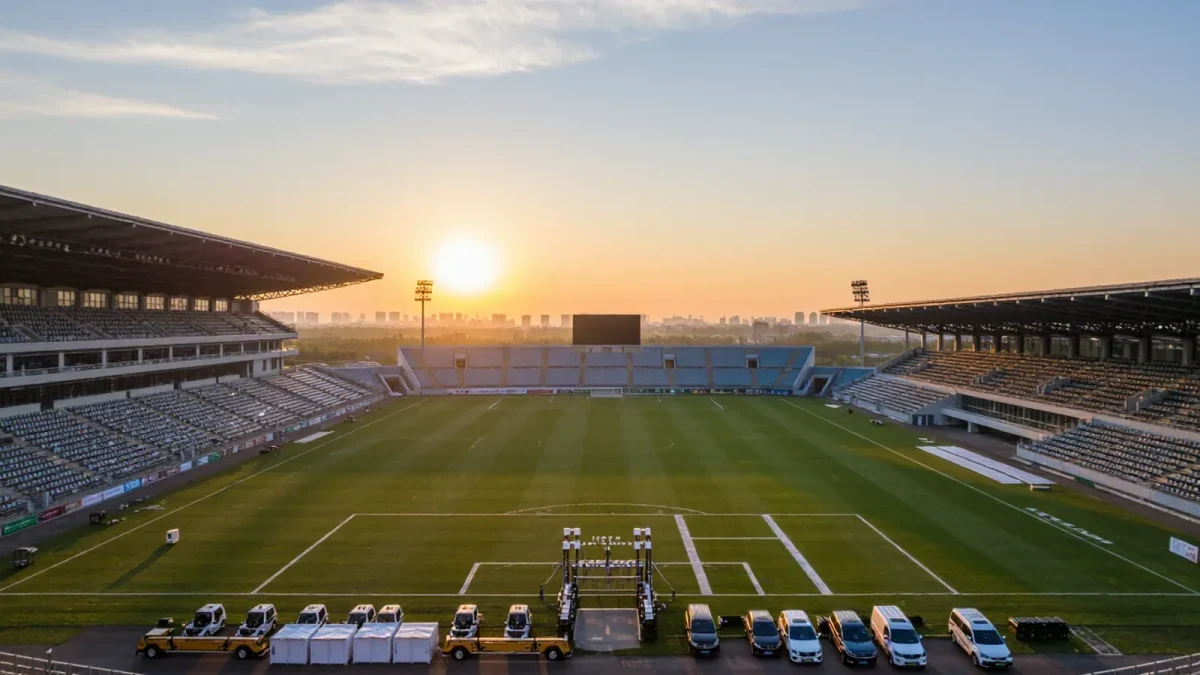
Why World Cup 2026 preparation has defined this football summer
Forty-eight teams, three host nations and 104 matches turned the 2026 close-season into the largest logistical exercise in World Cup history.
Football reporting held to confirmation: line-ups, results, injuries, suspensions, managerial changes and transfers, published once a club states them.
Forty-eight teams, three host nations and 104 matches turned the 2026 close-season into the largest logistical exercise in World Cup history.

Age limits, over-age wild cards and release deadlines make the Olympic tournament a distinct negotiation between clubs and national programmes.
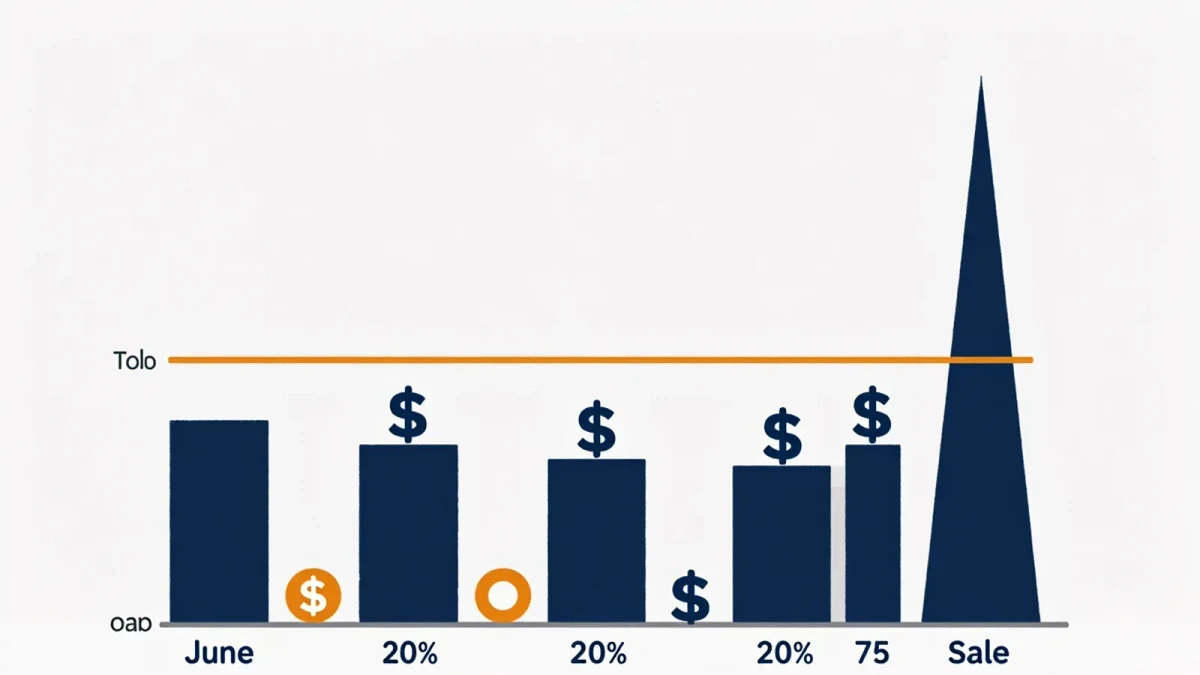
Amortisation accounting and the pure-profit value of academy graduates now drive squad building as much as scouting does.

Related-party controls, ownership registers and a new English regulator are dismantling the opacity that multi-club structures exploited.

Price ceilings on away tickets, led by the Premier League's £30 cap, changed how clubs allocate, police and steward travelling support.

Rail-seat trials, a licensing regime and persistent fan campaigning brought standing areas back to Premier League and Championship stadiums.